Renovating a Concession Home: Architectural Review and Permits
Exterior changes in The Concession need written approval from the community's architectural review committee before work starts, and most also need a Manatee County permit and a licensed Florida contractor. Paint colors, fences, lighting, landscaping, pools and screen enclosures are all on the review list. Florida law no longer lets an association require a building permit before it reviews an application.
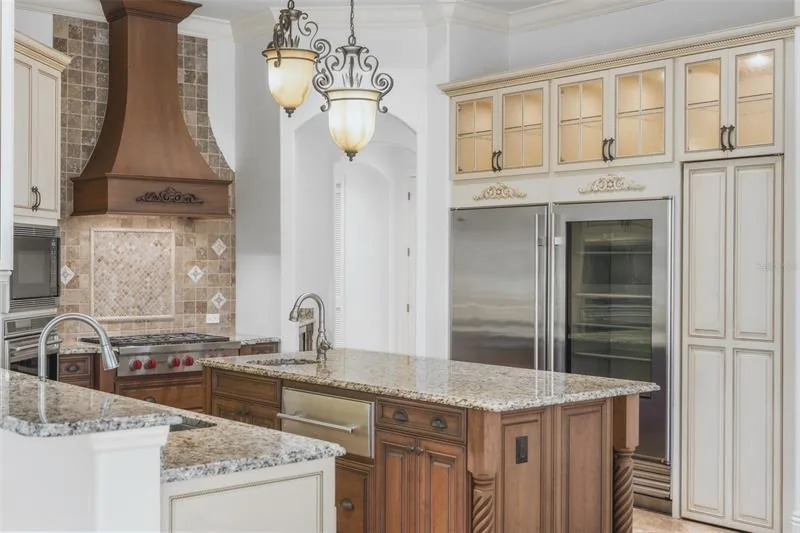
Renovation in a community with written design standards is a sequence of approvals, and the order matters. Most mistakes owners make here are about order: hiring first and applying later, buying materials before colors are approved, or assuming a county permit settles the community's questions. It does not, and the reverse is also true. This page walks the path for exterior and site changes in The Concession, using the community's Design Standards Manual dated October 5, 2015, Florida statutes, and Manatee County and state agency pages. Standards can be updated, and the declaration is the controlling document, so treat this as a map and confirm the current rules with the review administrator before you commit money.
What needs architectural approval in The Concession?
The manual makes the review committee, referred to as the ARC, the gatekeeper for most exterior work. In the 2015 edition the following require prior approval:
- Paint. All exterior paint colors, submitted with materials, and any repainting. The committee may offer approved palettes.
- Fences and walls. No fence or wall may be built without prior written approval, with design, materials, colors, and site, landscape and drainage plans submitted. Maximum height is eight feet, chain link is prohibited, and walls and fences must be at least five feet from side and rear property lines.
- Screen enclosures. Approval is required, with bronze frames and black mesh.
- Lighting. All lighting plans and visible fixtures, including security lighting.
- Paving. Driveway and walk surfaces, which must come from a permitted list, with asphalt prohibited and a 16-foot maximum driveway width between the curb and the front buffer.
- Landscaping and irrigation. Landscape plans and approval before any landscaping or irrigation work begins.
- Antennas and receivers. Location and screening.
- Exterior additions and alterations. Individual review, with fees based on the size of the change.
The manual also says each residence is reviewed individually and that deviations approved for one house do not set a precedent. That is an important point when a neighbor's project looks like the one you want.
How do you apply?
For new homes the manual describes a concept submittal and a final submittal. For existing homes the same machinery applies in lighter form. The submission typically includes an application, drawings or product information, site context and the fee. The 2015 schedule is useful mainly to show the structure:
| Type of project | 2015 fee |
|---|---|
| New home under 7,000 sq ft | $1,200 |
| New home 7,000 to 12,000 sq ft | $2,500 |
| Exterior changes adding 25 percent or more area | $1,000 |
| Exterior changes adding less than 25 percent, or confined to the footprint | $600 |
| Minor changes: pools, patios, terraces, extensive re-landscaping or hardscape | $300 |
| Accessory buildings | $600 |
| Guest houses | $1,200 |
The committee may waive fees at its discretion. These are 2015 numbers, so ask for the current schedule. Two other rules in the manual matter for renovators. If work pauses for more than six months, or the design changes substantially, a new application and fee are required. And if the review deposit runs out, a replenishment equal to half the original is due, repeating until approval.
What does the committee look at?
Design guidelines set by the manual include materials, roof pitch (4:12 to 6:12 for main roofs), roof finishes, ceiling and entry heights, window types, color, utility screening and landscaping. For a pool or lanai project, the points that come up most are setbacks (unscreened pools and patios may reach within 10 feet of the rear line), equipment screening, enclosure color and landscaping around the cage. The outdoor living page covers design. The homes and architecture page covers materials and roofs.
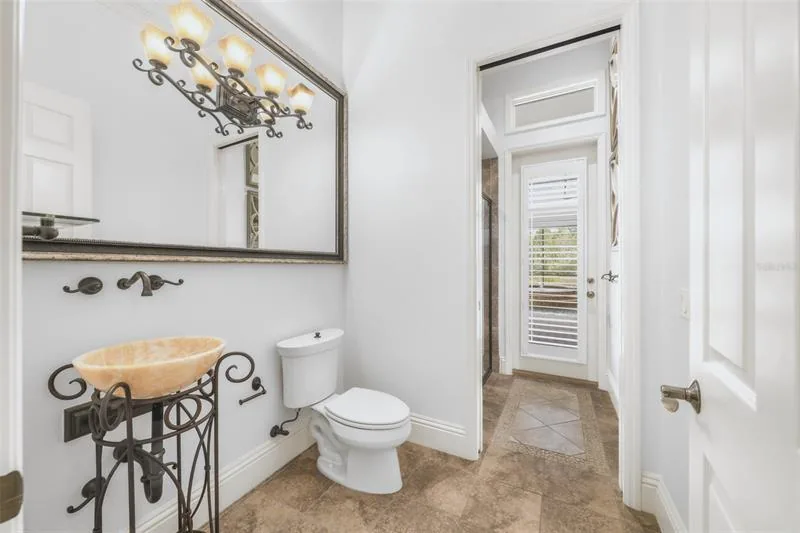
What does Florida law say about association review?
Section 720.3035 of the Florida Statutes sets the limits. An association or its architectural committee may review a structure's location, size, type or appearance only if the declaration or published guidelines give it authority, expressly or by reasonable inference, and standards must be applied evenly to all owners. If the governing documents offer options for materials, size, design or placement, the owner may choose any of them. When a request is denied, the association must give written notice identifying the specific rule relied on and the part of the proposal that does not conform. The 2024 version of the section sets no deadline for responding to requests. An association cannot regulate the interior of a structure that is not visible from the street, an adjacent parcel, a common area or the golf course.
Hurricane protection
The statute has a distinct rule for hurricane protection. Boards or committees must adopt hurricane protection specifications, which may address color, style and other factors and must comply with the building code. They cannot deny an application that conforms to those specifications, though they may require conformity with an existing unified building scheme. Covered products include permanent and roll-down shutters, impact-resistant windows and doors, polycarbonate panels, reinforced garage doors, exterior fixed generators, fuel storage tanks and code-recognized roof systems. For The Concession, that means the 2015 manual's list of approved and prohibited products should be read together with the statute, because the statute's hurricane protection provisions may affect how a manual provision applies. The manual approves impact-resistant windows and doors, allows temporary metal panels, plywood and fabric screens only after a named storm and requires their removal within seven days after it passes, and prohibits roll-up and accordion shutters. If you plan to install shutters or a generator, ask the review administrator for the current hurricane protection specifications and ask a Florida attorney how the statute interacts with them.
A 2026 change to the order of steps
A Florida law firm's blog reports that, effective July 1, 2026, section 720.3035 now bars an association or its committee from requiring a government-issued building permit as a prerequisite to reviewing a proposed construction project. An owner who submits a request before obtaining a permit cannot have it denied for that reason, though the association may grant conditional approval subject to obtaining a permit later if the local government requires one. We relied on that single source for the amendment, so confirm the current statute text before you plan around it.
What do you need from Manatee County?
Manatee County's Development Services Department runs building permits, and the community's manual states that all improvements must meet the requirements of Manatee County. The county's pages give the following:
- Applications, permit searches and inspection scheduling are available through the Accela Online Services portal, so a visit to the office is not required.
- The Permitting Section checks permit packages for completeness, routes applications to the departments that review them and issues permits.
- Plans review confirms that plans meet county and state codes and investigates complaints about unlicensed construction.
- Building Inspections covers structural, gas, plumbing, mechanical and electrical work.
- Floodplain management reviews permit and development applications for compliance with floodplain rules.
- Development Services moved to 9000 Town Center Parkway in Lakewood Ranch in November 2025. The Permitting Section's phone number on the county page is 941-748-4501, extension 3800, and the main Building Division line is 941-749-3012.
The county's permitting page lists, as FAQ headings, topics such as when a permit is required and the rules for pools, screen enclosures, roofs, fences and re-roofing, but the answers did not display when we reviewed it, so we cannot tell you which projects need permits. Ask the county, or ask your licensed contractor to confirm in writing. Pool, screen enclosure, roof, fence, air conditioning, electrical and plumbing work are the categories most likely to come up.
Who can do the work?
Florida requires state licensing for many contracting trades. The Department of Business and Professional Regulation (DBPR) offers a Verify a License search by name or license number, a page on unlicensed activity, and a way to file complaints. Under section 489.13 of the Florida Statutes, working without a required state certificate or registration counts as unlicensed contracting, and DBPR may fine an unlicensed person up to $10,000. The same section says local building departments cannot issue building permits to unlicensed contractors or to anyone presenting themselves as a contractor, and that a local license alone does not allow someone to obtain a permit for work that requires state licensure. Manatee County also has a Licensing Section that registers contractors in the unincorporated county.
For new homes, the Concession manual adds that builders must be on the approved builders list, and that drawings carry the design professionals' Florida license numbers. Whether a contractor doing a smaller renovation must also be approved is a question for the review administrator.
What is a sensible order of steps?
- Read the documents. The declaration, the design manual and any current guidelines.
- Scope the project. Photos, sketches and the survey.
- Talk to the review administrator. Ask which items need approval, what to submit and how long review currently takes.
- Verify contractors. Check each license with DBPR, and ask for proof of insurance and permit experience in Manatee County.
- Submit to the committee. Include materials, colors, drawings and, for landscaping, plant lists and irrigation.
- Apply for county permits. Your contractor usually files through the Accela portal. If the committee approved subject to a permit, keep both records together.
- Build, then notify. Work to the approved plans. The manual's final review process for new homes gives the committee a week's notice before final inspection, which is a model for closing out renovations.
- Keep the file. Approvals, permits, inspection sign-offs, warranties and invoices. A buyer's agent will ask for them one day.
Landscape and trees
Landscape work has its own steps. The manual requires approval before any landscaping or irrigation work begins, and noncompliance items have 30 days to be corrected. Existing trees four inches in diameter at breast height or larger within 25 feet of the rear lot line must be preserved, may be relocated on the lot, or may be removed if the replacement caliper equals the removed total, with county notice required before relocation. Conservation areas cannot be cleared.
Does a roof replacement have special rules?
Roofing is a place where code history matters, and the county's permitting FAQ lists re-roofing among its topics. Before May 26, 2022, if more than 25 percent of a roof section needed repair or replacement, the whole section had to be brought up to current code. A 2022 law changed that, so that only the work being done has to meet current code, provided the owner can show the existing roof complies with the 2007 Florida Building Code or a later edition. A law firm's summary says roofs built or replaced after March 1, 2009 likely qualify. Roof color and covering also face committee review, since the manual lists clay tile, cement tile, standing-seam metal and slate as acceptable finishes, with colors approved by the committee. Ask the county and the review administrator before you choose a replacement. See new construction versus resale for how code history affects older houses.
What about pool and lanai changes?
Pools, patios, terraces and extensive re-landscaping fall in the manual's minor-change category in the 2015 fee schedule, and screen enclosures require approval with bronze frames and black mesh. For a new pool, Florida requires at least one listed safety feature, such as a barrier enclosure, safety cover, door alarms, self-closing doors or a certified pool alarm, before final inspection. A pool or enclosure also changes the property's insurance profile, which you can read about on the homeowners insurance page. Any association fees or assessments tied to renovations are a question for the HOA fees page and the association's own schedule.
What should a buyer check about past renovations?
When you evaluate a house with past work, ask for committee approvals and county permits for each change that appears in the exterior or yard: paint, fence, enclosure, pool, lighting, paving and landscape. Compare them with the house. A missing approval does not prove a violation, and the committee may have waived or never required one, but it is a question to resolve before closing. The builders and custom homes page explains what other records are worth requesting.
Questions people ask
Do I need approval before I repaint my house in The Concession?
Yes. The 2015 design manual says all exterior paint colors need committee approval, and that repainting also requires approval. The committee may offer approved palettes. Submit the colors and materials before you hire a painter, and keep the written approval with your records, since a future buyer or inspector may ask to see it.
Which comes first, the association approval or the county permit?
The community's manual places committee approval before the county building permit for new homes. Under Florida law, as amended effective July 1, 2026, an association cannot require a building permit as a prerequisite to reviewing your request, but it can condition approval on obtaining one. Apply to the association first and ask what it expects.
How long does architectural review take in The Concession?
The 2015 manual sets no review turnaround time, and Florida's statute on association architectural control, as we read it, sets no response deadline either. The committee's published sequence has concept, final, midpoint and final-compliance stages for new homes. Ask the review administrator for current practice, and build slack into any renovation schedule.
Can I hire any contractor for a renovation?
For work that requires a Florida state license, the contractor must hold one, and local building departments cannot issue permits to unlicensed contractors. Verify a license through the Florida Department of Business and Professional Regulation. For new homes, builders must also be on the committee's approved list. Ask the review administrator whether the same applies to renovation contractors.
What if the association denies my request?
Under section 720.3035 of the Florida Statutes, a denial must be written and must identify the specific rule relied on and the part of the proposal that does not conform. Standards must be applied evenly to all owners. If you disagree, read the declaration and the guidelines, and consider asking a Florida real estate attorney to review them.
Sources checked
- The Concession Design Standards Manual (October 5, 2015)
- Florida Statutes 720.3035 (2024), architectural control by associations
- Florida Condo and HOA Law Blog: The HOA architectural control statute has again been amended (July 28, 2026)
- Manatee County Building Division
- Manatee County Permitting Section
- Manatee County: Development Services moving to Lakewood Ranch (November 2025)
- Florida DBPR: Unlicensed activity and license verification
- Florida Statutes 489.13 (unlicensed contracting)
- Jimerson Birr: Recent changes to Florida's 25% roof replacement rule (January 2023)
- Florida Statutes 515.27 (2024), residential swimming pool safety
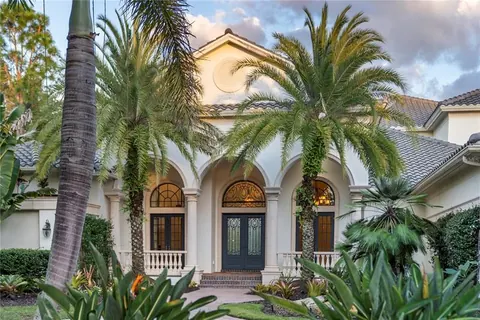
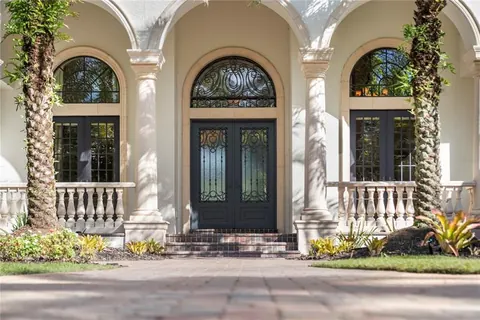
Want to see The Concession in person?
A private tour takes about an hour and covers the community, the lots and the homes that fit what you are looking for.