Buying a Home in The Concession: The Process From First Tour to Closing
Buying in The Concession follows the standard Florida sequence: tour, offer on a written contract (usually a Florida Realtors/Florida Bar form), deposit, inspection period, appraisal if financed, association disclosures and estoppel, title work and closing. The gated, golf-centered setting adds covenant review, architectural approvals for past changes, and a separate look at club membership.
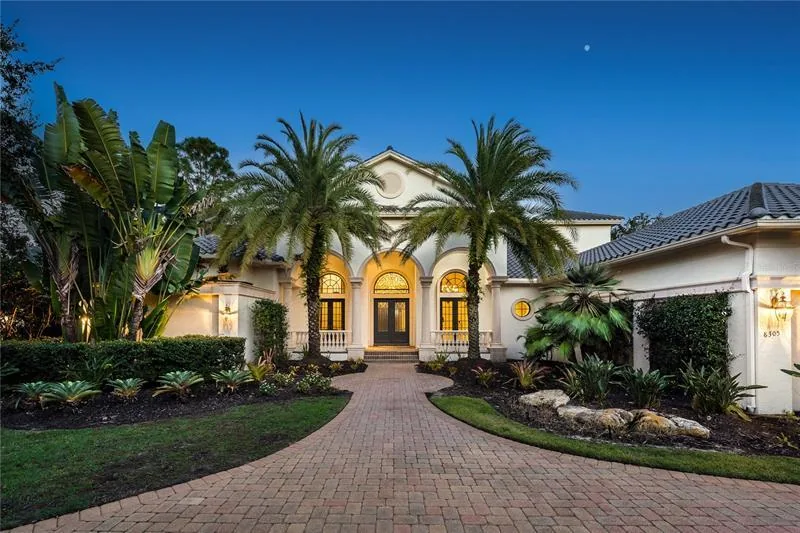
Most of the work in buying a home in The Concession is the same work involved in buying any high-value house in Florida: a written contract, a deposit, a short window to inspect, a lender or proof of cash, title, and a closing. What changes in a gated golf community is the layer of paperwork around the house. There are covenants to read, an association that issues its own financial statement, an architectural review process that governed the home's past changes, and a golf club that may or may not be connected to the property you are looking at. This page walks through the sequence in order so you know what happens, who does it and what to ask for at each step. It is general information about how Florida transactions work, not legal advice, and a Florida real estate attorney or title agent should review anything you sign.
What is the order of events from first tour to closing?
The steps below are the usual order. Timelines inside them are negotiated, so treat the sequence as a map and not a schedule.
- Tour the home and the community, and gather the basic documents on the property.
- Decide how you will pay, and line up a lender pre-approval or proof of funds.
- Write an offer on a Florida contract, with the price, deposit, dates and any riders.
- Negotiate to an effective date, when both parties have signed and the clock starts on every deadline.
- Use the inspection period to hire inspectors, review the association documents and read title.
- If financed, complete the appraisal and underwriting.
- Resolve title, survey and association items, then sign at closing and record the deed.
The rest of this page takes those steps one at a time. For the broader moving logistics around them, the moving checklist covers what happens after the keys change hands.
How should you tour a home inside a gated golf community?
A first showing is about the house and its setting, and both deserve a plan. Tour at more than one time of day if you can, because light on the lanai, noise from a fairway or a nearby road, and water levels in a lake change over a day and a season. Walk the lot, not only the interior. Look at where the drainage goes, how close the home sits to a lake edge or preserve, and what the yard looks like beside the neighboring lots.
Ask the listing agent for the documents that explain the property before you fall in love with it: the survey, the recorded covenants, the association's current budget and fee schedule, any pending or recently approved special assessments, the age and dates of the roof, air-conditioning systems, water heaters and pool equipment, and permit history for additions or pool work. If you are comparing the home against others in the community, the neighborhoods and sections page and the lot types and views guide explain how homesites differ.
For anyone who has not yet been inside the gates, the touring guide covers how visits are arranged.
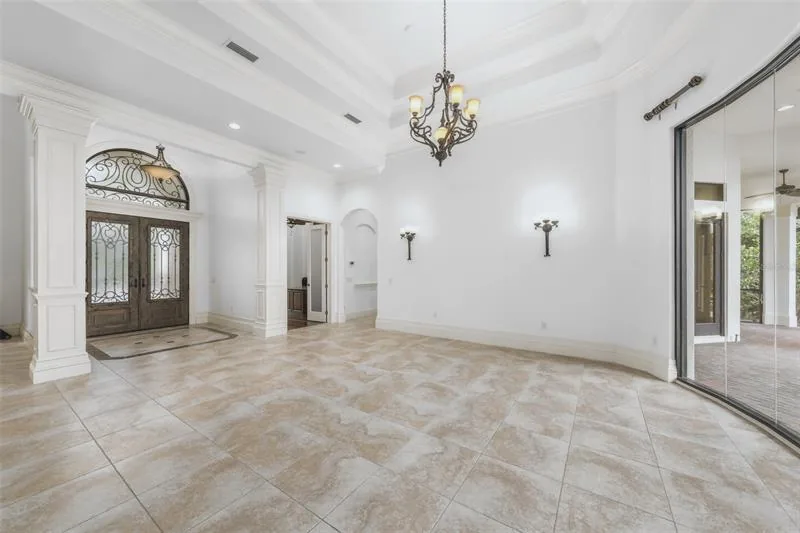
What does the offer look like on a Florida contract?
Most Florida home sales are written on a residential contract jointly published by Florida Realtors and the Florida Bar, usually called the FR/BAR contract. It comes in two main versions, and which one you use matters more than almost any other choice in the offer.
Standard versus As Is
Under the Standard version, the buyer inspects during the inspection period and may request repairs. The seller is obliged to make repairs up to a negotiated cost limit. If the requested repairs are above that limit and the sides cannot agree, the buyer can cancel and recover the deposit.
Under the As Is version, the seller does not take on repair obligations. The inspection exists so the buyer can decide: accept the home in its present condition or cancel within the inspection period and recover the deposit. A buyer may cancel for any reason while the period is still running, but loses that right once it expires. In both versions the seller must still disclose known material defects the buyer could not readily see.
A seller may prefer the As Is form because it avoids repair negotiations. Either way, it puts more weight on the quality of the inspections you commission. See the inspection guide for the set most careful buyers order for homes of this age and type.
The inspection period
The current FR/BAR form uses a default inspection period of 15 days from the effective date, with a blank where the parties can write another number. Within that period the buyer who finds the property unacceptable can end the contract by written notice and receive the deposit back, though the buyer remains responsible for paying for inspections and repairing any damage the inspectors cause. If the buyer neither cancels nor negotiates before the period ends, the right to cancel on those grounds generally goes away, with limited exceptions. For a large or complex house, many buyers ask for a longer period or a staged period so that specialist visits can be scheduled realistically. Specialist inspectors need to be scheduled inside the window, so book them on day one.
Deposits and how they are held
A buyer posts an earnest money deposit with an escrow agent, commonly a title company or a brokerage, and it is disbursed under the contract. The contract sets the amount and when it is due, and the agent follows the contract if both sides dispute who gets it. In a cancellation inside the inspection period the buyer normally recovers the deposit. A buyer who defaults after the contingencies lapse can lose it. Ask your attorney how the deposit is protected in your particular escrow arrangement, particularly when the figure is large.
Riders and appraisal language
Florida Realtors publishes optional riders that attach to the contract. One covers an appraisal contingency, under which a buyer orders an appraisal from a licensed Florida appraiser, and if the value comes in below the price, the buyer can either terminate and recover the deposit or waive the contingency. Waiving it is a competitive tactic, but it shifts the shortfall risk to the buyer. How that interacts with jumbo financing is covered on the financing and cash offers page.
Which disclosures does a Florida buyer receive?
Florida splits the disclosure picture between what the law requires and what the seller knows.
- Known material defects. A seller must disclose known facts that materially affect the property's value and are not readily observable. This applies even when the sale is As Is. The duty can be met orally or in writing, though writing is the safer record.
- Radon. A statutory radon notice must be given before or at contract signing, and the Florida Realtors contracts contain the required wording.
- Flooding. Since October 1, 2024, a seller of residential property must give a written flood disclosure at or before the contract is signed. It states that standard homeowners policies do not cover flood damage and asks the seller about flood claims and flood assistance. Changes effective October 1, 2025 widened it: the seller now reports flooding they know of that damaged the property during their ownership, and any assistance received to repair flood damage, not only federal assistance. For a lakefront or low-lying lot, read this alongside the flood zones guide.
- Code enforcement. If a code enforcement proceeding is pending, the seller must disclose it in writing and tell the buyer that the new owner will be responsible for compliance.
- HOA disclosure summary. Covered in the next section.
What does the HOA disclosure summary tell you?
The community has recorded covenants and an architectural review committee. If the home you are buying belongs to a homeowners' association under Chapter 720 of the Florida Statutes (confirm that from the recorded covenants and with the listing team), the following rule applies to the purchase contract. Before the contract is signed, the buyer must receive a short, standardized disclosure summary. If the buyer did not receive it before signing, the buyer may cancel by written notice to the seller or the seller's agent. The deadline is 3 days after receiving the summary or before closing, whichever comes first, and the right cannot be waived.
The summary is brief, and its message is that a buyer must join the association, that covenants restrict use and occupancy, that assessments (including special assessments) are owed and can change, that unpaid assessments can become a lien, that membership in some communities involves rent or land-use fees for shared facilities, and that the developer may be able to amend covenants without owner approval in some circumstances. Treat it as a pointer, not a substitute for the documents it refers to. The recorded covenants are public records available through the county.
Costs and coverage are explained in more detail on the HOA fees page, and the full cost picture is in cost of ownership. Do not rely on a figure quoted in a listing. Ask the association for the current schedule and confirm whether any special assessment has been approved or proposed.
Reading the covenants and the design standards
Four questions are worth answering in writing before the inspection period ends. What does the covenant say about leasing or occupancy by someone other than the owner? What rules apply to pools, fences, outbuildings, generators and exterior colors? What approval process applied to the home's existing improvements? And what governs future changes?
The community publishes an Architectural Review Committee process. A design manual amended and restated in October 2015 describes a two-stage review, concept and final, with plans, elevations, material samples and landscape plans, followed by a final compliance inspection at completion. That version is nearly a decade old, so request the manual in force now. If the home has a pool, a guest house, an addition or a notable exterior change, ask whether the ARC approved it and whether it passed final inspection. An unapproved change can become the next owner's problem. The renovations and architectural review page goes deeper on how this works from an owner's side.
The estoppel certificate
An estoppel certificate is the association's written statement of what is owed on the property and related account information as of a given date. Under Florida law the association has to issue it within 10 business days of a written request from the owner, the owner's designee, or the mortgagee or its designee, and if it is late the association cannot charge for it. A standard certificate is capped at a statutory fee, with an extra amount allowed for expedited delivery within 3 business days and a lower cap when the account is delinquent. The cap is adjusted over time by the Department of Business and Professional Regulation, so check the current figure. A certificate is valid for 30 days when delivered by hand or electronically and 35 days when mailed. Because that window is short, the title agent usually orders it close to the closing date. If a sale does not close, a non-owner who paid the fee can request a refund in writing within 30 days of the scheduled closing.
How is the club connected to the home you are buying?
This is the question most specific to The Concession, and the one buyers most often assume an answer to. The golf club and the residential development have had different ownership histories. Published reporting from 2010 describes a developer who held the residential side while a different investor took control of the golf course and clubhouse, and a 2015 profile describes the real estate component as split into a separate venture that shares the name while operating independently. Both are dated, and ownership and structure can change, so use them as context and not as a statement of today's arrangement.
The practical consequence is simple. Do not infer from a home listing that a golf or dining membership is included, optional, available on a waiting list or priced a certain way. Ask for the answer in writing from the listing team and from the club's membership office, and compare it with what the membership page and the golf club page describe. If the seller is a current member, ask whether membership transfers, whether a new owner applies on their own, and whether any equity or deposit stays with the seller. Put the answer into the contract if it matters to your decision, for example as a contingency or an addendum. Fees and categories can change, so any figure you receive should carry a date.
Who pays for what at closing?
Florida closing costs are a mix of statutory taxes, lender charges, title charges and customs that vary by county. A few are fixed by statute. Documentary stamp tax on a deed is 70 cents for each $100 of the consideration, under Section 201.02 of the Florida Statutes. The statute sets the rate, but it does not say which party pays. A Florida title law firm's guide to Sarasota and Manatee closing customs says the seller customarily pays the stamps on the deed and the buyer customarily pays those on a new mortgage note, but that is custom, so look at the contract, which allocates it, and at the settlement statement your title agent prepares. Mortgage-related state taxes and fees apply to a financed purchase on top of that.
Ask the title agent for an estimated settlement statement early, and ask which items are pro-rated at closing. Property taxes, association assessments and some utilities are normally prorated between buyer and seller. A buyer should also learn how a purchase affects the next tax bill. In Florida the assessed value of a property can reset after a change of ownership, which is explained on the property taxes and homestead page. Insurance quotes are worth gathering before the inspection period ends, since the age of the roof and the results of a wind mitigation inspection can change what a carrier offers. The homeowners insurance page explains that process.
What does the title and survey stage involve?
A title company or attorney searches the public record for the property and issues a title commitment that lists what must be fixed or accepted before closing: prior mortgages to be paid off, easements, liens, restrictions and any gaps in the chain of ownership. The buyer reviews it and notifies the seller of defects by a deadline in the contract, and the seller has a cure period. Title insurance, which protects the owner against covered defects, is issued at closing. A survey shows the boundaries, the improvements and any encroachments. For a lakefront or preserve-adjacent lot, ask whether the survey shows the water's edge, the drainage and utility easements, and the setback lines that the design standards or county rules impose.
The details of the title commitment matter for a property of this value, so give it real time. Read the exceptions page by page and ask the title agent to explain any item you do not recognize.
How do inspections, appraisal and underwriting fit together?
They overlap, and they should be scheduled with that in mind.
During the inspection period, order the inspections that match the house and the pool, lanai, roof and mechanical systems, and read the reports before the clock runs out. If the purchase is financed, the lender orders an appraisal on its own timeline, and underwriting follows. A buyer using a loan above the conforming limit should expect a more detailed documentation process, as described on the jumbo loans and cash offers page. A cash buyer can skip underwriting, but still benefits from an independent valuation, and the market-reading page explains what data to ask an agent to pull to support a price.
What if the home will be a second residence?
Many buyers in this price range will use the house for part of the year. That affects insurance, the tax treatment, storm preparation and who holds a key. Those subjects have their own page: second homes and seasonal living. Buyers moving from out of state can also look at the relocation page for residency and tax logistics.
A practical checklist for the contract period
- Confirm in writing which contract form and riders apply, and read the current edition rather than an earlier copy.
- Calendar every deadline from the effective date, including inspection, loan, appraisal, title objections and association approval or disclosure rights.
- Collect the HOA disclosure summary, the covenants, the budget, the fee schedule, the design manual and the estoppel certificate.
- Ask in writing what, if anything, comes with the property from the golf club, and obtain the club's own answer.
- Request permits and ARC approvals for pools, additions and exterior changes.
- Read the flood disclosure and compare it with the property's flood zone and elevation information.
- Gather insurance quotes with the inspection results in hand.
- Review the title commitment and the survey with your attorney or title agent.
- Walk the home again shortly before closing to confirm its condition and that everything agreed to stay is still there.
What changes if you buy new construction instead of a resale?
The steps above describe a resale. A newly built home brings a builder's contract, not the FR/BAR resale form, along with a construction schedule, warranty terms and a different role for the architectural review committee. The new construction versus resale page lays out the differences. The builders and custom homes page covers the approved-builder side.
Questions to take to the first meeting with your agent, attorney and lender
Treat the first meeting as a working session. Bring the property address, a rough idea of whether you will pay cash or finance, and your preferred closing window. Ask the agent which forms the listing prefers, what the seller has already disclosed and what the association's documents say about use and leasing. Ask the attorney or title agent about escrow protection for a large deposit, how title will be insured and what an unusual survey item would mean. Ask the lender, if there is one, how a jumbo loan changes the timeline.
Do not compress the document review to fit a competitive offer. The documents are where this kind of purchase is won or lost, and the contract is structured to give you time to read them.
Questions people ask
What contract is used to buy a home in The Concession?
Most Florida residential sales use a Florida Realtors/Florida Bar contract, available as a Standard version or an As Is version. Parties may also negotiate on another form or add riders. The exact form is chosen by the buyer and seller, so ask your agent which version is being proposed and read the current edition in full before signing.
Does the seller have to disclose problems with the home?
Florida law requires a seller to tell the buyer about known facts that materially affect the value of the property and that the buyer cannot easily see. That duty continues in an As Is sale. Florida also requires specific disclosures for radon, flooding and, in HOA communities, the association disclosure summary.
How long is the inspection period?
The Florida Realtors/Florida Bar form defaults to 15 days from the effective date of the contract, but the number is a blank that buyers and sellers can change. Because a high-end home may need a roof, pool, wind and moisture review, buyers commonly ask for the period to be set deliberately rather than accepted by default.
What is an HOA estoppel certificate?
It is a written statement from the association showing what is owed on the parcel and other account details at a specific date. Florida law requires the association to issue it within 10 business days of a written request, caps the fee, and limits how long the certificate stays valid. Title agents normally order it before closing.
Is club membership included when I buy a home in The Concession?
Do not assume so. Public reporting describes the golf club and the residential development as separate ventures, and membership is its own relationship with its own terms. Ask the listing team and the club's membership office, in writing, what is attached to the property and what is a separate application.
Sources checked
- Florida Statutes 720.401, prospective purchasers' disclosure (Florida Senate)
- Florida Statutes 689.302, flood disclosure (Florida Senate)
- Florida Statutes 720.30851, estoppel certificates (Florida Senate)
- Sarasota and Manatee closing customs (Barnes Walker)
- Florida Statutes 201.02, documentary stamp tax on deeds (Florida Senate)
- Florida real estate disclosure laws (Florida Realtors)
- Florida's flood disclosure expansion effective October 2025 (Florida Realtors)
- As Is vs Standard contract (Barnes Walker)
- FR/BAR contract provisions summary, August 2025 (Old Republic Title, The Fund)
- The Concession Design Standards Manual, amended and restated October 5, 2015
- Club and Resort Business, profile of The Concession Golf Club (February 2015)

Want to see The Concession in person?
A private tour takes about an hour and covers the community, the lots and the homes that fit what you are looking for.